
Blog Summary: This guide explores the critical differences between soft washing and high-pressure cleaning for older properties. Learn why gentle techniques are essential for preserving the structural integrity and aesthetic beauty of historic siding, masonry, and roofing.
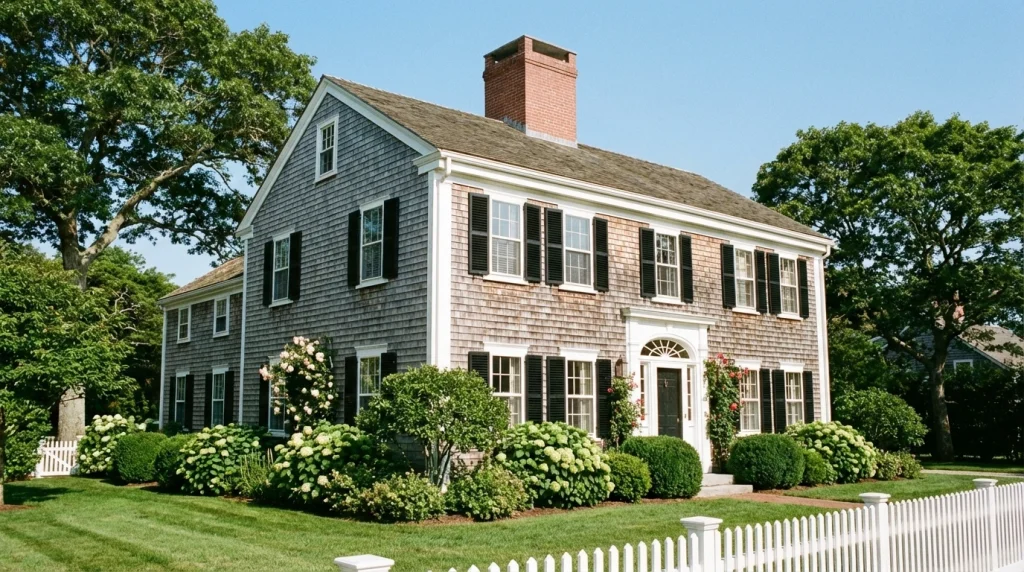
Owning a historic home is a labor of love. These properties offer a level of craftsmanship and character that modern builds simply cannot replicate. However, maintaining that beauty requires a specialized approach, especially when it comes to exterior cleaning.
If you use the wrong method, you risk stripping away decades of history or causing permanent structural damage. At Vineyard Power Washing, we prioritize preservation. Understanding the difference between soft washing and pressure washing is the first step in keeping your heritage property safe.
The Power of Pressure: Why It Risks Historic Materials
Pressure washing relies on high-pressure water spray, often exceeding 3,000 PSI, to mechanically blast away dirt, grime, and mold. While this is effective for a concrete driveway or a modern brick walkway, it is often too aggressive for older materials.
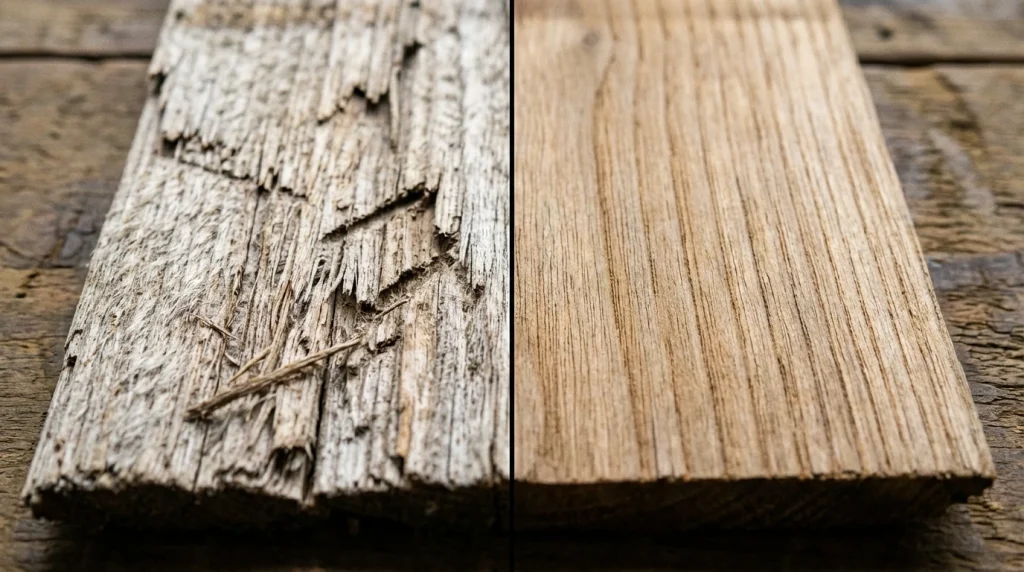
Historic homes frequently feature aged wood, lime-based mortar, and hand-blown glass windows. High pressure can force water deep into the grain of old wood, leading to rot. It can also crumble soft, historic mortar or cause “etching” on delicate stone surfaces. Once the protective outer layer of an old brick or shingle is compromised, the material becomes much more susceptible to the elements.
The Soft Wash Alternative: A Gentle Touch
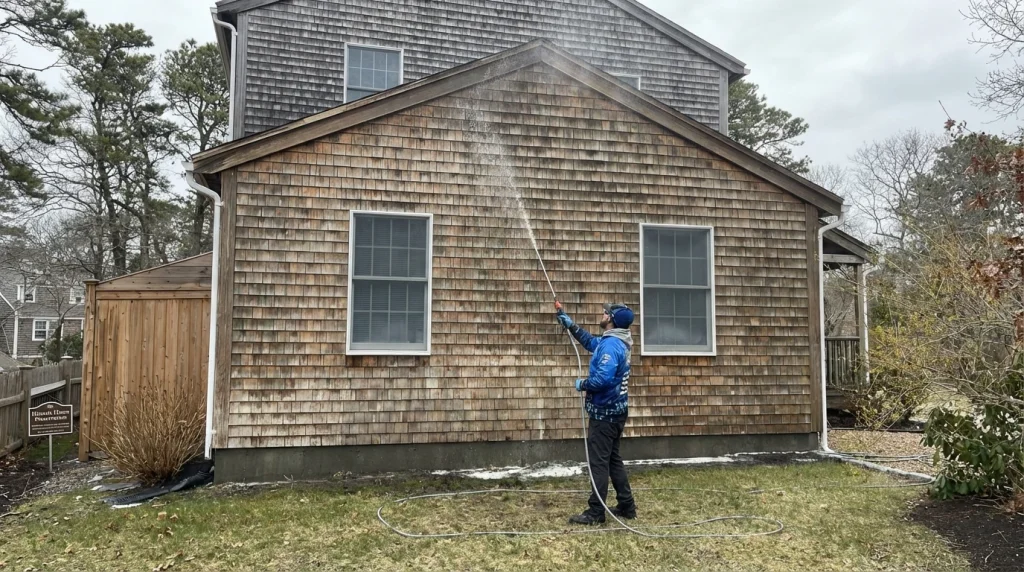
Soft washing is a cleaning method that uses very low pressure, similar to the flow of a standard garden hose. Instead of relying on brute force to clean, it utilizes specialized, biodegradable cleaning solutions. These solutions break down organic growth like algae, moss, and lichen at the root.
Because the process does not rely on high PSI, there is no risk of gouging wood or blowing out window seals. This makes it the gold standard for exterior cleaning services offered to owners of delicate or older properties.
Comparing the Methods
To help you decide which method is right for your specific project, consider the following technical differences:
Feature | Pressure Washing | Soft Washing |
Pressure Level | 2,000 to 4,000+ PSI | Under 500 PSI |
Primary Cleaning Agent | Water Force | Eco-friendly Solutions |
Risk of Surface Damage | High on soft materials | Minimal to None |
Ideal Surfaces | Concrete, Asphalt, Metal | Siding, Shingles, Stucco |
Long-term Results | Surface clean only | Kills spores for longer results |
Why Historic Homes Require Specialized Care
Historic materials were often manufactured differently than today’s building supplies. For instance, old-growth wood is denser but can become brittle over a century. Similarly, historic masonry was designed to “breathe.”
Using high pressure can trap moisture inside these porous materials. When that moisture eventually tries to escape, it can cause the surface to spall or flake off. Soft washing avoids these issues by cleaning the surface without driving water deep into the substrate.
When you look for professional exterior cleaning services, it is vital to choose a team that understands these nuances. A one-size-fits-all approach can lead to costly restoration bills later.
Protecting Your Investment
A clean home is a healthy home. Removing organic growth prevents the premature decay of your siding and roof. However, the goal should always be to clean without causing wear.
Soft washing not only protects the physical structure but also preserves the “patina” of an older home. It removes the ugly black streaks and green moss while keeping the original character of the building intact. This ensures your property remains a beautiful piece of local history for generations to come.
Frequently Asked Questions
Is soft washing safe for lead paint?
If your historic home has lead paint, any cleaning must be done with extreme caution. Soft washing is generally safer because it does not chip or aerosolize paint like high pressure does, but a professional inspection is always recommended before starting.
Can soft washing remove heavy moss from a roof?
Yes. Soft washing is the preferred method for roofs because it kills the moss and algae at the root without damaging the shingles or washing away the protective granules.
How long does a soft wash treatment last?
Because soft washing uses solutions that kill organic spores, the results typically last two to three times longer than traditional pressure washing, which often just “mows” the top of the algae.
Will the cleaning solutions harm my historic landscaping?
When performed by professionals, the surrounding plants are pre-rinsed and protected. The solutions are diluted and biodegradable, making them safe for your garden and the environment.
How do I know if my home needs a soft wash or a pressure wash?
As a general rule, if the surface is a “hard” surface like concrete, pressure washing is fine. If the surface is “soft” like wood siding, shingles, or old brick, soft washing is the only safe choice.