
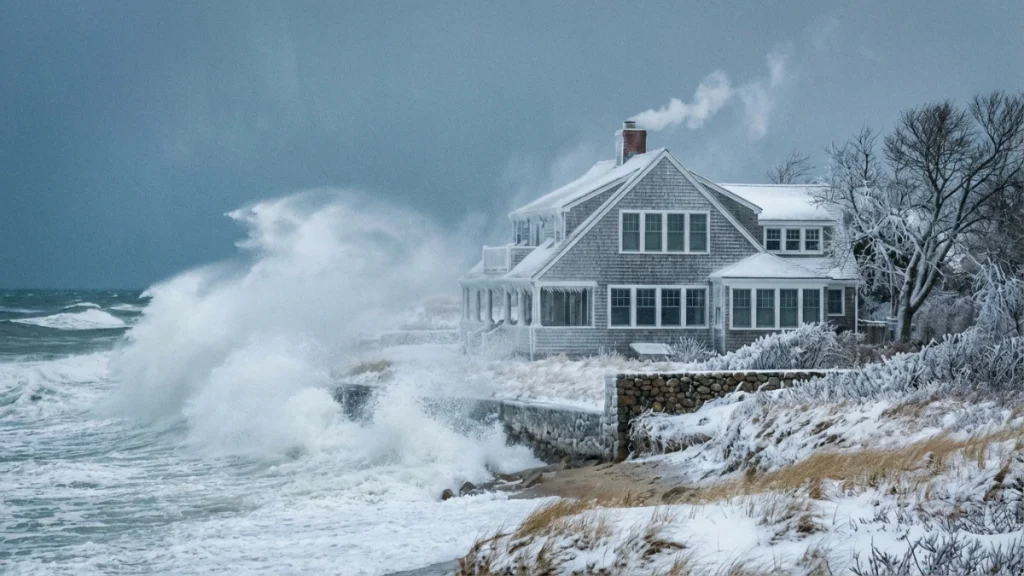
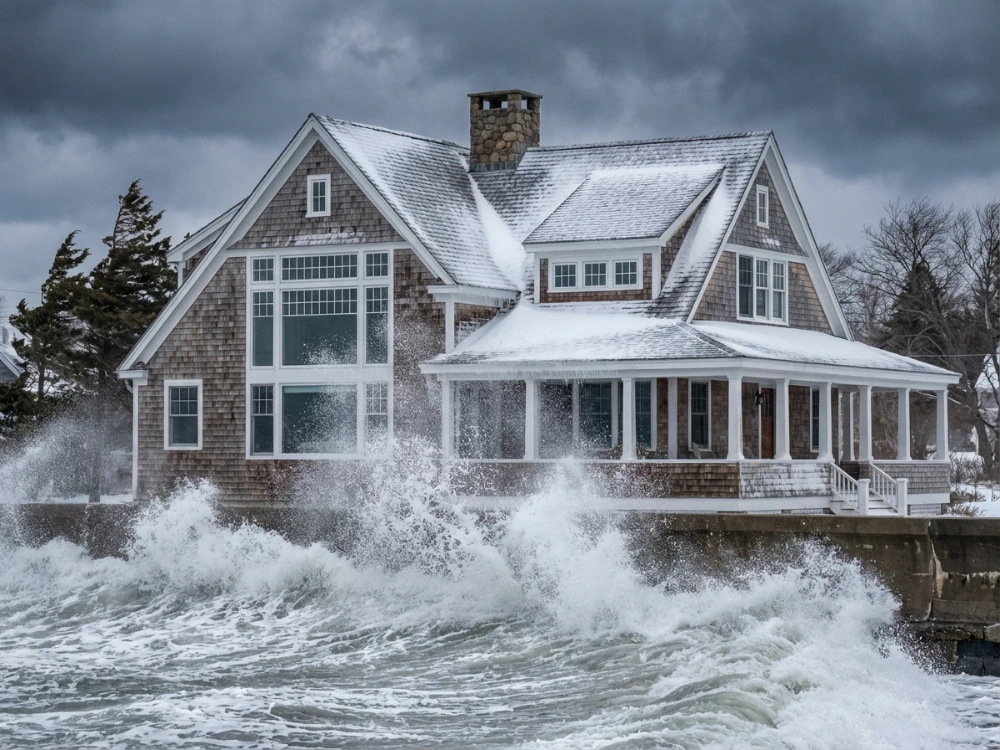
Living on the coast brings breathtaking views and a refreshing breeze, but it also introduces unique challenges for homeowners. During the winter months, the combination of high winds, moisture, and salt spray creates a recipe for property deterioration. Salt air is naturally corrosive. When winter storms kick up the surf, microscopic salt particles travel inland and settle on your home.
If left untreated, this salt buildup can lead to permanent structural issues and a significant loss in curb appeal. At Vineyard Power Washing, we understand the specific environmental stressors that coastal properties face. Understanding how salt interacts with your home is the first step in preventing expensive repairs.
How Salt Air Attacks Your Exterior
Salt is a desiccant, which means it pulls moisture out of materials. On a coastal property, salt air works its way into every crack and crevice. When the water evaporates, the salt remains behind, forming crystals that expand and put pressure on surfaces.
Impact on Siding and Paint
Whether you have wood shingles, vinyl siding, or fiber cement, salt air is a constant threat. On wooden surfaces, salt can strip away natural oils, leading to cracking and silvering. On painted surfaces, salt trapped behind the paint layer causes bubbling and peeling. This exposure leaves the underlying structure vulnerable to rot and mold.
Corrosion of Metal Fixtures
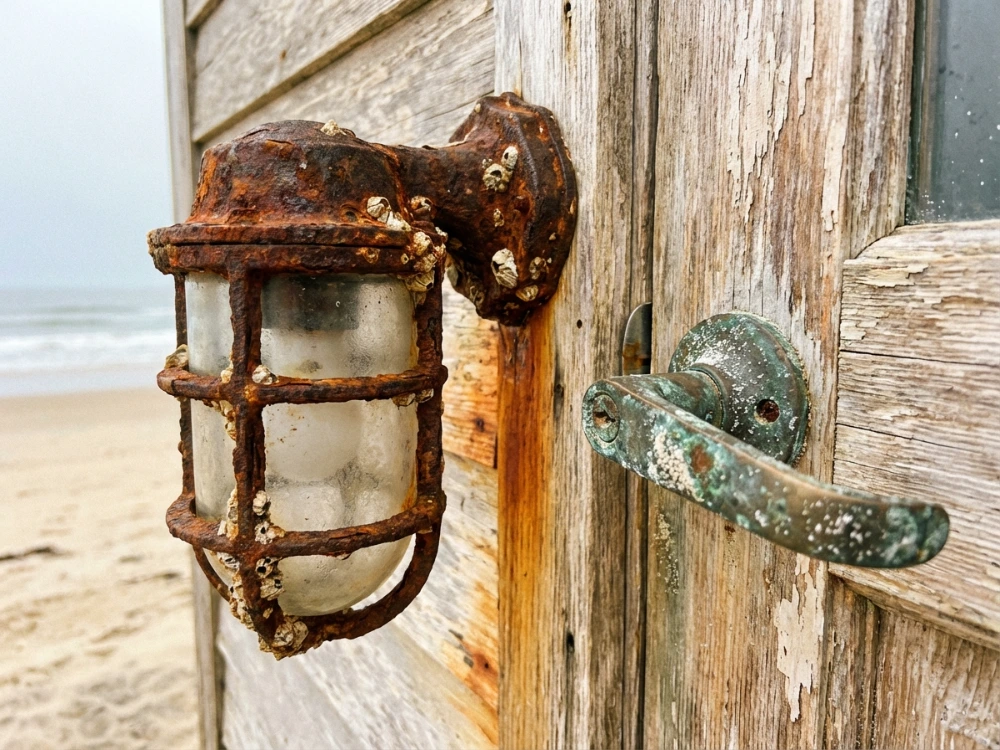
Metal is perhaps the most susceptible material to salt damage. Door handles, light fixtures, gutters, and even the nails holding your siding in place can succumb to oxidation. This process, commonly known as rusting, happens much faster in salty environments than it does inland.
The Hidden Costs of Neglect
Many homeowners assume that winter snow or rain will naturally wash away the salt. Unfortunately, the opposite is often true. Winter storms often carry more salt than summer breezes. When this salt sits on your home for months, the damage compounds.
The following table illustrates the potential costs of ignoring salt buildup compared to the investment in regular cleaning services to maintain your property.
Service or Repair | Estimated Frequency | Estimated Cost Range |
Professional Power Washing | 1 to 2 Times Per Year | $300 – $800 |
Repainting Exterior | Every 3 to 5 Years | $4,000 – $10,000 |
Siding Replacement | Every 15 to 20 Years | $15,000 – $30,000 |
Window Frame Repair | As Needed | $500 – $2,000 |
Identifying the Signs of Salt Damage
It is important to catch salt damage before it becomes a structural problem. You should regularly walk around your property and look for these specific red flags:
* White Powdery Residue: This is the most obvious sign of salt accumulation on your siding or windows.
* Pitting on Metal: Small holes or a rough texture on your gutters and railings indicate the beginning of corrosion.
* Cloudy Windows: Salt can etch glass over time, leading to a permanent “foggy” appearance that cannot be cleaned away.
* Sticky Surfaces: Salt attracts moisture, which can make your railings or outdoor furniture feel tacky or sticky to the touch.

Why Winter Maintenance Matters
Most people wait until the spring to think about exterior cleaning. However, the salt that accumulates during December and January stays active all winter long. By the time the flowers bloom, the salt may have already compromised your paint seal or started the rusting process on your hardware.
Utilizing professional exterior services ensures that these corrosive elements are neutralized. We use specialized techniques to safely remove salt without damaging delicate coastal materials. This proactive approach extends the life of your paint and protects the integrity of your home’s envelope.
Professional vs. DIY Cleaning
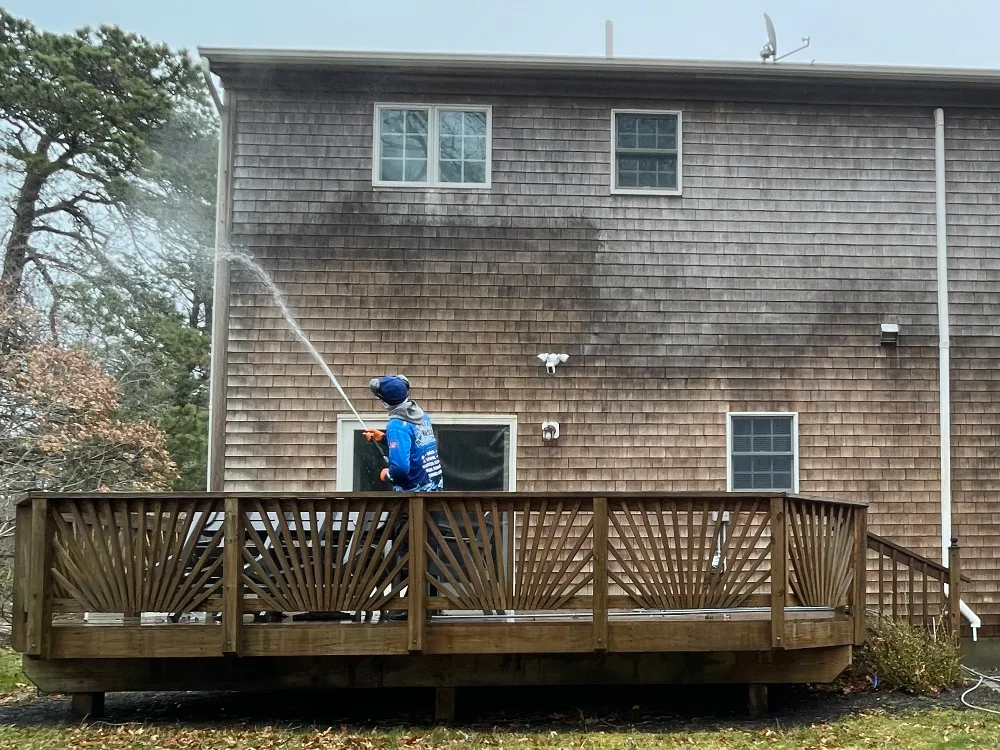
While a garden hose might remove some surface dust, it rarely reaches the salt trapped in the pores of your siding. Professional equipment and eco-friendly cleaning solutions are necessary to fully break the bond between the salt and your home. This level of clean is essential for long term protection.
Final Thoughts on Coastal Care
Your home is likely your largest investment. Protecting it from the harsh reality of coastal winters requires a dedicated maintenance plan. By addressing salt air effects early, you save money on repairs and keep your property looking its best year round.
If you have noticed a white film on your windows or dullness in your siding, it is time to act. Contact Vineyard Power Washing today to learn more about our specialized cleaning services designed for the unique needs of our coastal community.
Frequently Asked Questions
Does salt air really travel far inland?
Yes, salt air can travel several miles inland depending on wind speed and geography. Properties within five miles of the ocean are at the highest risk for salt related corrosion and damage.
How often should I wash my coastal home?
For most coastal properties, we recommend a professional cleaning at least twice a year. Once in the spring to remove winter salt buildup and once in the fall to prepare for the coming storms.
Can salt damage my windows permanently?
Yes, salt is abrasive. If left on glass for too long, it can cause microscopic scratches or etching. Once the glass is etched, the cloudy appearance is usually permanent and requires window replacement.
Is power washing safe for old cedar shingles?
When performed by professionals, yes. We use a “soft wash” technique that uses low pressure and specialized solutions. This removes salt and mold without forcing water behind the shingles or damaging the wood fibers.
Will rain wash the salt off my house?
Light rain often makes the problem worse by dampening the salt and allowing it to seep deeper into porous materials. Only a thorough, purposeful cleaning can truly remove the salt crystals from your home’s exterior.