
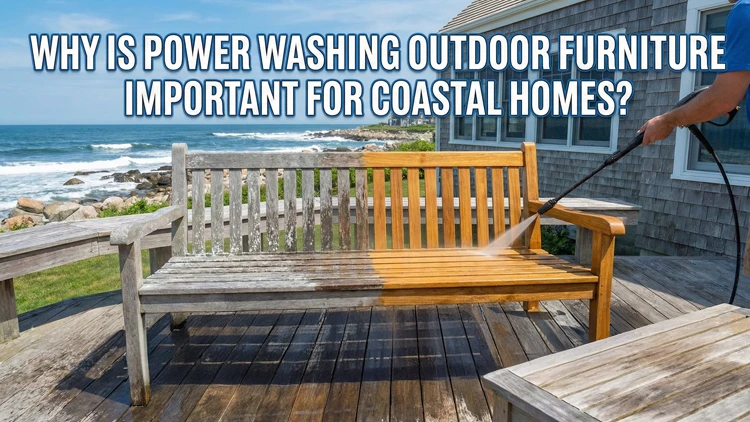
Power washing outdoor furniture on coastal home properties is essential due to the harsh environmental factors like salt air, high humidity, intense UV radiation, and strong winds. Regular power washing prevents corrosion, mold, mildew, and material degradation, extending the furniture’s lifespan, maintaining its aesthetic appeal, and preserving property value more effectively and efficiently than manual cleaning.
Coastal living offers breathtaking views and a refreshing breeze, but it also presents unique challenges for outdoor furniture. The constant assault of salt air, high humidity, intense UV radiation, and strong winds can quickly degrade even the most durable materials. This is where power washing becomes an indispensable part of maintaining your outdoor living spaces.
The Unique Environmental Challenges of Coastal Properties
Outdoor furniture in coastal areas faces a relentless barrage of elements that inland properties rarely experience. Understanding these factors highlights the critical need for specialized maintenance.
- Salt Air and Corrosion: Microscopic salt particles carried by ocean breezes settle on surfaces, attracting moisture and accelerating corrosion, especially on metal furniture like iron, steel, and even aluminum if its protective coating is compromised. This can lead to rust spots, chalky oxidation, and weakened structural integrity over time.
- High Humidity and Moisture: Coastal regions often experience elevated humidity and frequent rainfall. This creates an ideal breeding ground for mold, mildew, and algae on porous materials like wood, fabric, and even some plastics. These growths are not only unsightly but can also cause material degradation and unpleasant odors.
- Intense UV Radiation: While the sun isn’t stronger at the coast, sunlight reflecting off the water intensifies UV exposure. This can lead to accelerated fading, cracking, and deterioration of materials such as plastics, fabrics, and painted finishes, breaking down molecular bonds and causing brittleness.
- Wind and Abrasive Elements: Strong coastal winds exacerbate the abrasive effects of salt and sand, leading to physical wear and tear. Sand and dirt can accumulate and scratch surfaces, particularly delicate ones like wicker and rattan.
- Temperature Fluctuations: Frequent temperature changes near the sea can cause materials to expand and contract, contributing to cracks, splits, and overall damage.
How Power Washing Addresses These Challenges
Power washing provides a powerful and efficient solution to combat the specific environmental stressors of coastal properties.
- Effective Salt Removal: Power washing thoroughly rinses away accumulated salt residue from all surfaces, preventing the corrosive cycle that damages metals and other materials. Regular rinsing with fresh water is crucial.
- Eradication of Mold, Mildew, and Algae: The high-pressure water jets effectively blast away stubborn growths of mold, mildew, and algae that thrive in humid coastal conditions, restoring hygiene and appearance.
- Deep Cleaning and Stain Removal: It removes embedded dirt, grime, bird droppings, and tree sap that manual cleaning often misses, preventing permanent staining and material breakdown.
- Restoring Appearance and Extending Lifespan: By removing harmful buildup, power washing revitalizes the look of furniture, bringing back vibrant colors and original charm. This preventative measure helps avoid costly repairs and significantly extends the lifespan of your outdoor investment.
- Preparation for Protective Treatments: A clean, contaminant-free surface is essential for the proper adhesion of protective sealants, waxes, or paints, further enhancing durability against coastal elements.
Power Washing vs. Manual Cleaning for Coastal Outdoor Furniture
While manual cleaning has its place for light upkeep, power washing offers distinct advantages, especially in challenging coastal environments.
| Feature | Power Washing | Manual Cleaning |
|---|---|---|
| Effectiveness | Deeply cleans, removing stubborn salt, mold, mildew, and embedded grime. | Good for light surface dirt and weekly wipe-downs. |
| Efficiency | Significantly faster for large areas and intricate designs. | Time-consuming and physically demanding for extensive cleaning. |
| Reach | Effectively cleans hard-to-reach crevices and intricate spots. | Limited by brush/cloth size, often misses hidden dirt and growth. |
| Water Usage | Can use less water than a garden hose due to high pressure efficiency. | Often requires more water over time for thorough rinsing. |
| Environmental | Environmentally friendly, often uses less water and biodegradable detergents. | Can involve harsh chemicals if not careful, potential for runoff. |
| Damage Risk | Potential for damage if incorrect pressure/nozzle is used on delicate materials. | Minimal risk of damage, but can scratch with abrasive tools. |
| Cost | Initial investment in equipment or professional service. | Low immediate cost (soap, brushes), but higher labor/time cost. |
Power Washing Guidelines for Different Furniture Materials
Not all outdoor furniture can withstand the same pressure. Adjusting your technique is crucial to prevent damage.
- Metal (Aluminum, Stainless Steel, Powder-Coated): Generally the most resilient. Can handle medium to high pressure (100-150 bar or 500-1500 PSI depending on the specific metal and coating). Use a wide nozzle (40-degree white tip) and keep the wand at least 8 inches away. Rinse salt spray often.
- Hardwoods (Teak, Ipe, Cedar, Oak, Bamboo): Use low-pressure settings (around 500-1500 PSI) and a wide nozzle. High pressure can force water into crevices, leading to rot or erode the surface. Power wash on a sunny day to allow for quick drying.
- Softwoods (Spruce, Beech): Avoid power washing or use the absolute lowest pressure and widest fan possible, keeping significant distance. These are more delicate and prone to damage.
- Plastic/Resin: Can generally be power washed on a low-pressure setting. Use a wide nozzle and mild detergent. Its non-porous surface makes it easy to clean.
- Wicker (Synthetic/Resin): Use a low-pressure setting with a wide nozzle to avoid loosening the weave or damaging fibers. Natural rattan is more delicate and requires extra care.
- Fabrics/Cushions: Power washing is generally not recommended for cushions or delicate fabrics. Instead, remove covers if machine-washable, or spot clean with mild soap and water using a soft brush, then rinse thoroughly and air dry.
General Tips for Safe Power Washing:
- Always remove loose dirt and debris first.
- Work in an open, safe space, away from plants and light fixtures.
- Place furniture on a flat, stable surface.
- Start with the lowest pressure setting and a wide nozzle, increasing as needed.
- Spray in a sweeping motion, working from top to bottom, keeping the lance constantly moving.
- Keep the nozzle at least 8-15 inches away from the surface.
- Rinse thoroughly to remove all cleaning solution and allow to air dry completely.
Benefits Beyond Cleanliness
The advantages of power washing extend beyond mere aesthetics:
- Preserves Property Value: Well-maintained outdoor spaces enhance curb appeal and contribute positively to your home’s overall value.
- Health and Hygiene: Eliminating mold, mildew, and allergens creates a healthier outdoor environment for your family and guests.
- Sustainability: Power washing can be an eco-friendly cleaning method, using less water than traditional hosing and often paired with biodegradable cleaning solutions, reducing the need for harsh chemicals.

Conclusion
For coastal homeowners, power washing outdoor furniture isn’t just a chore; it’s a vital investment in preserving the beauty, functionality, and longevity of your outdoor living spaces. By understanding the unique challenges of the marine environment and applying proper power washing techniques, you can ensure your patio furniture remains a pristine and inviting extension of your coastal home for years to come.
FAQ
Q: How often should I power wash my outdoor furniture if I live on the coast?
A: Due to the harsh coastal environment, it’s generally recommended to power wash your outdoor furniture at least once or twice a year, ideally at the beginning and end of the season. More frequent rinsing with fresh water (e.g., weekly) is advisable to remove salt deposits.
Q: Can power washing damage my outdoor furniture?
A: Yes, if done incorrectly. Using too high a pressure setting, a narrow nozzle, or holding the wand too close to the surface can damage delicate materials like softwoods, painted finishes, or loosely woven wicker. Always start with a low-pressure setting and a wide nozzle, and test a small, inconspicuous area first.
Q: What kind of cleaning solution should I use with a power washer?
A: A mild, multi-purpose cleaning agent or diluted mild dish soap is generally recommended. Some power washers also allow for specialized detergents like rattan & plastic cleaner or stone & wood cleaner. Avoid harsh chemicals that can damage finishes or harm the environment.
Q: Is it better to hire a professional or do it myself?
A: For large areas, extensive grime, or if you’re unsure about the correct techniques for different materials, hiring a professional power washing service can ensure the job is done safely and effectively. For smaller jobs and if you have the right equipment and knowledge, DIY can be a cost-effective option.
Q: What are the main benefits of power washing over hand cleaning for coastal furniture?
A: Power washing is significantly more efficient and effective at removing stubborn salt buildup, deep-set grime, and pervasive mold and mildew that thrive in coastal conditions. It saves time and effort, reaches areas manual scrubbing cannot, and prepares surfaces better for protective treatments.